When designing a luxury custom home, ceiling design plays a far bigger role than most homeowners realise. Beyond aesthetics, ceiling elements influence lighting, proportions, services integration and even how spacious a home feels. Two commonly used ceiling features in modern homes are bulkheads and false ceilings. While they may look similar at first glance, they serve very different purposes in both design and construction.
Understanding the difference between bulkheads and false ceilings can help you make informed decisions early in the design stage - something Nexa Homes’ bespoke home design services actively guides clients through when creating high-end residences.
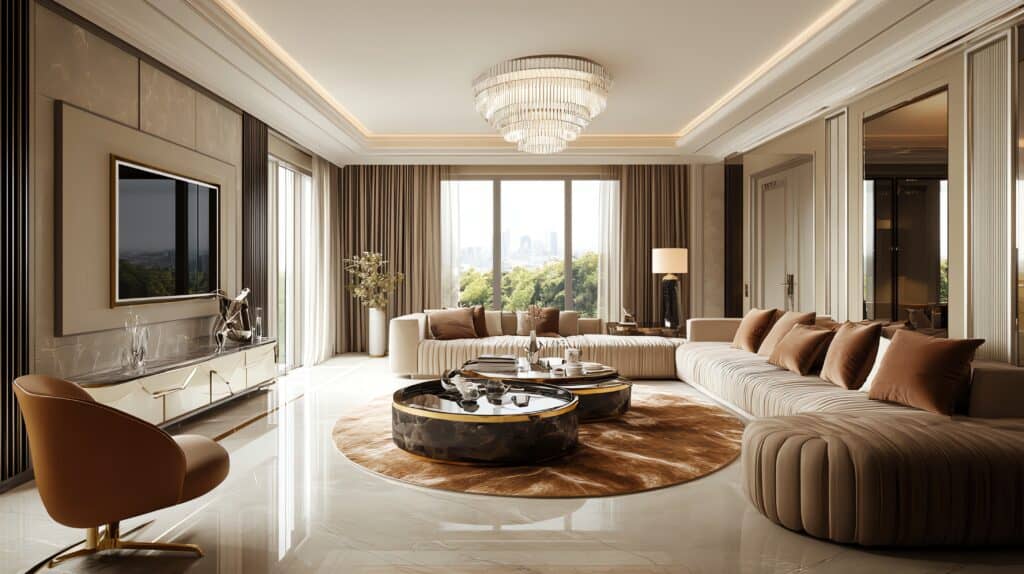
A bulkhead is a lowered section of ceiling, usually installed in a specific area rather than across an entire room. It is typically used to conceal structural elements, ducting, plumbing or electrical services while still allowing the main ceiling height to remain intact.
Bulkheads are common in:
From a design perspective, bulkheads add depth and definition. They help visually zone spaces, frame cabinetry or highlight architectural features without lowering the overall ceiling height.
At Nexa Homes, bulkheads are never treated as afterthoughts. They are planned during the design phase to ensure they integrate seamlessly with lighting and interior design solutions, joinery and structural requirements.
A false ceiling, also known as a dropped or suspended ceiling, runs across the entire room beneath the structural slab. Unlike bulkheads, false ceilings create a uniform ceiling plane throughout the space.
False ceilings are often used to:
They are common in media rooms, bedrooms and open-plan living spaces where mood lighting and clean finishes are priorities. False ceilings offer flexibility in lighting placement, including recessed downlights, LED strips and feature lighting.
Nexa Homes’ structural planning and construction expertise carefully evaluates ceiling heights and proportions before recommending a false ceiling, ensuring luxury aesthetics are not compromised by reduced vertical space.
The main design difference lies in visual impact and spatial feel.
Bulkheads:
Nexa Homes helps clients visualise these differences through design discussions, drawings and material selections, ensuring every ceiling element aligns with the home’s overall style.
From a construction standpoint, bulkheads and false ceilings differ significantly.
Bulkheads are typically:
False ceilings:
Nexa Homes manages this coordination in-house, ensuring that ceiling design decisions do not clash with structural, mechanical or electrical requirements later in the build.

There is no one-size-fits-all answer. The right choice depends on:
Many luxury homes designed by Nexa Homes incorporate both bulkheads and false ceilings, using each strategically where it delivers the greatest impact. For example, a kitchen may feature a bulkhead to frame cabinetry, while the adjoining living area uses a false ceiling for layered lighting and ambiance.
One of the biggest advantages of building with Nexa Homes is early builder involvement. Ceiling design decisions made during planning prevent costly changes during construction.
Nexa Homes assists clients by:
This hands-on approach ensures ceiling features enhance both the look and performance of the home-not just during handover, but for years to come.
Bulkheads and false ceilings both play an important role in modern luxury home design, but their purpose, impact and construction differ greatly. Making the right choice requires thoughtful planning, technical understanding and a clear vision for how your home will function.
With Nexa Homes guiding the design and build process, clients gain clarity, confidence and a ceiling design that complements the home’s architecture while delivering lasting value.
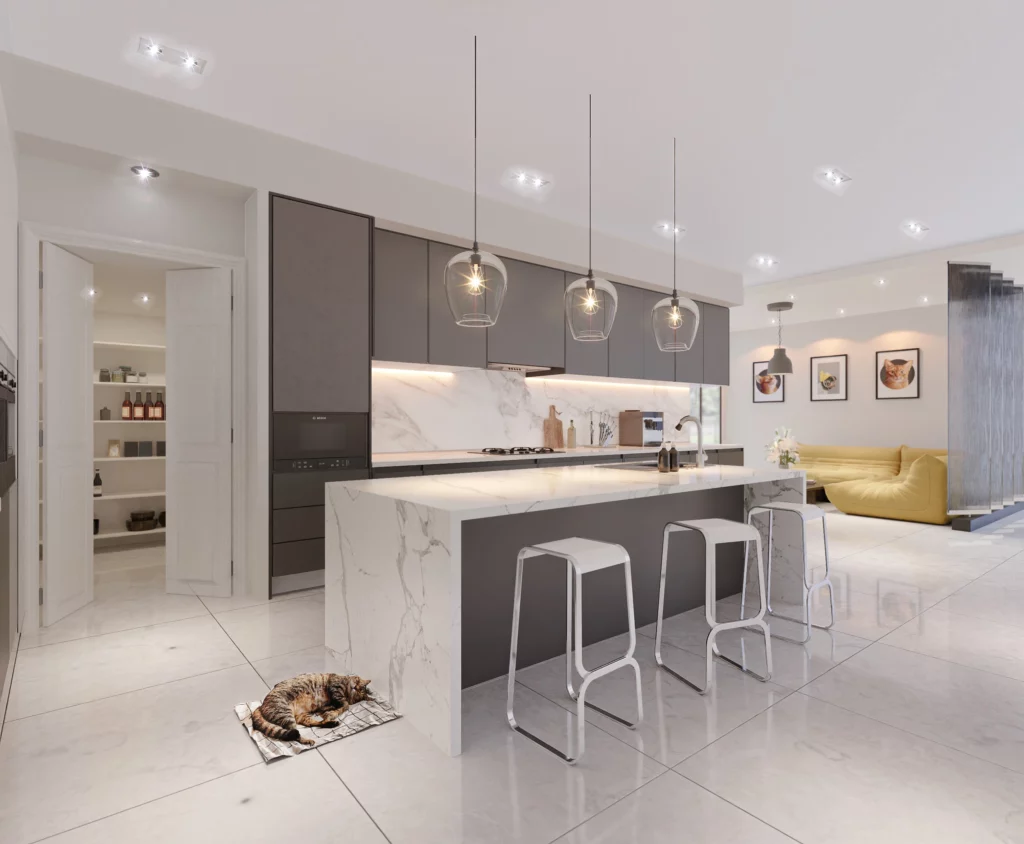
A bulkhead is a structural or decorative feature in a home, typically found in kitchens, basements, and ceilings. It serves both functional and aesthetic purposes, helping to conceal wiring, plumbing, and ductwork while enhancing the overall look of a space. Bulkheads can also define architectural elements, separate spaces, and integrate lighting features.
A kitchen bulkhead is a box-like structure that extends from the ceiling, usually above kitchen cabinets. It is designed to conceal mechanical elements such as ductwork, wiring, and plumbing, creating a seamless and polished look in the kitchen.
Bulkheads can be made from materials like drywall, wood, or plaster and are often integrated with decorative features like crown molding, LED lighting, or accent colors.
Kitchen bulkheads can be designed in different styles to complement the kitchen’s aesthetics. Some homeowners prefer simple bulkheads that blend with the ceiling, while others use them as a decorative feature with crown molding, LED lighting, or accent colors. Additionally, bulkheads help define the kitchen space, making it feel more structured and polished. They can also enhance visibility and create a cozy ambiance when paired with lighting.
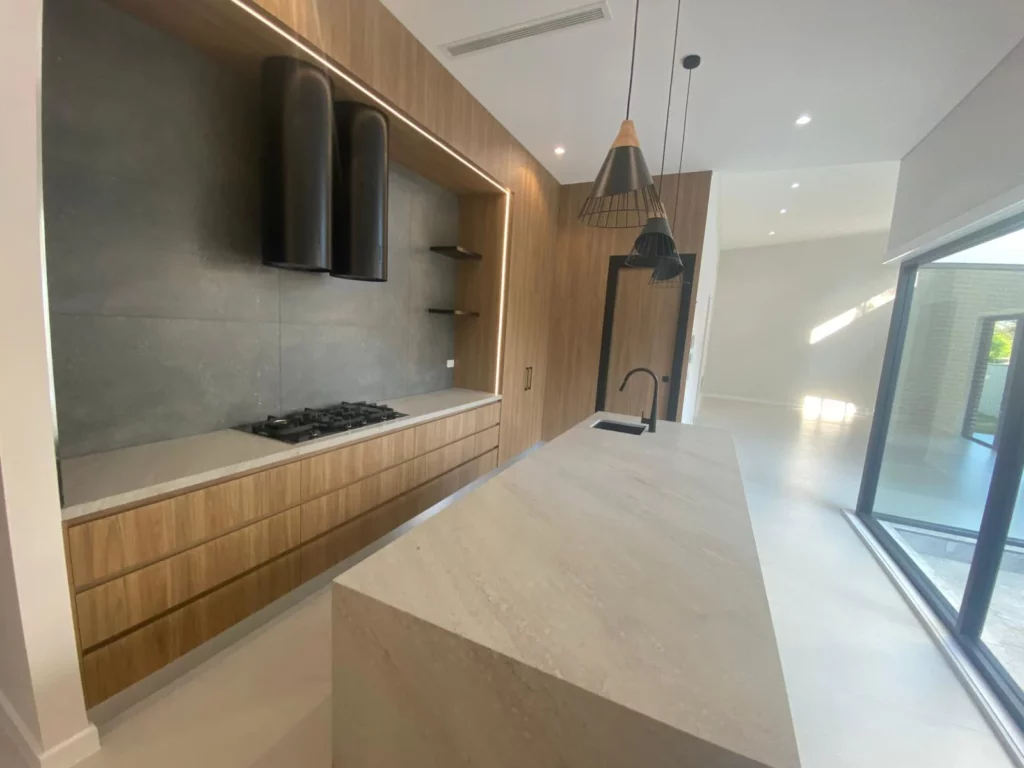
Kitchen bulkheads serve multiple purposes, including:
Bulkheads are ideal for concealing unsightly elements like ductwork, pipes, or electrical wiring. By doing so, bulkheads ensure that the focus remains on the kitchen’s design rather than on functional infrastructure.
A bulkhead can transform the look of your kitchen by offering a smooth, continuous transition between cabinetry and the ceiling. This design feature can soften the appearance of harsh lines, creating a more cohesive and polished look. Whether integrated into a modern or traditional design, a bulkhead elevates the kitchen’s visual appeal by framing the space elegantly.
Bulkheads effectively close the gap between cabinets and the ceiling, which is often a place where dust and grease accumulate. This helps minimize cleaning efforts and ensures the space remains hygienic. Without the bulkhead, those hard-to-reach gaps can collect debris, making it challenging to maintain a tidy kitchen.
Beyond just aesthetics, bulkheads can contribute to a more functional kitchen. Some bulkheads house additional storage compartments for items such as spices, kitchen tools, or even small appliances.
In some cases, bulkheads are critical for reinforcing the ceiling or supporting structural components like beams and ventilation systems.
Modern kitchens often use bulkheads as a housing solution for built-in lighting. This not only enhances visibility and adds practicality but also allows for creative lighting effects, contributing to a stylish and functional kitchen.
Bulkheads help achieve a unified design in the kitchen. By hiding gaps and unifying the ceiling and cabinetry, they provide a sense of balance and continuity. This makes the kitchen appear more intentional and thoughtfully designed.
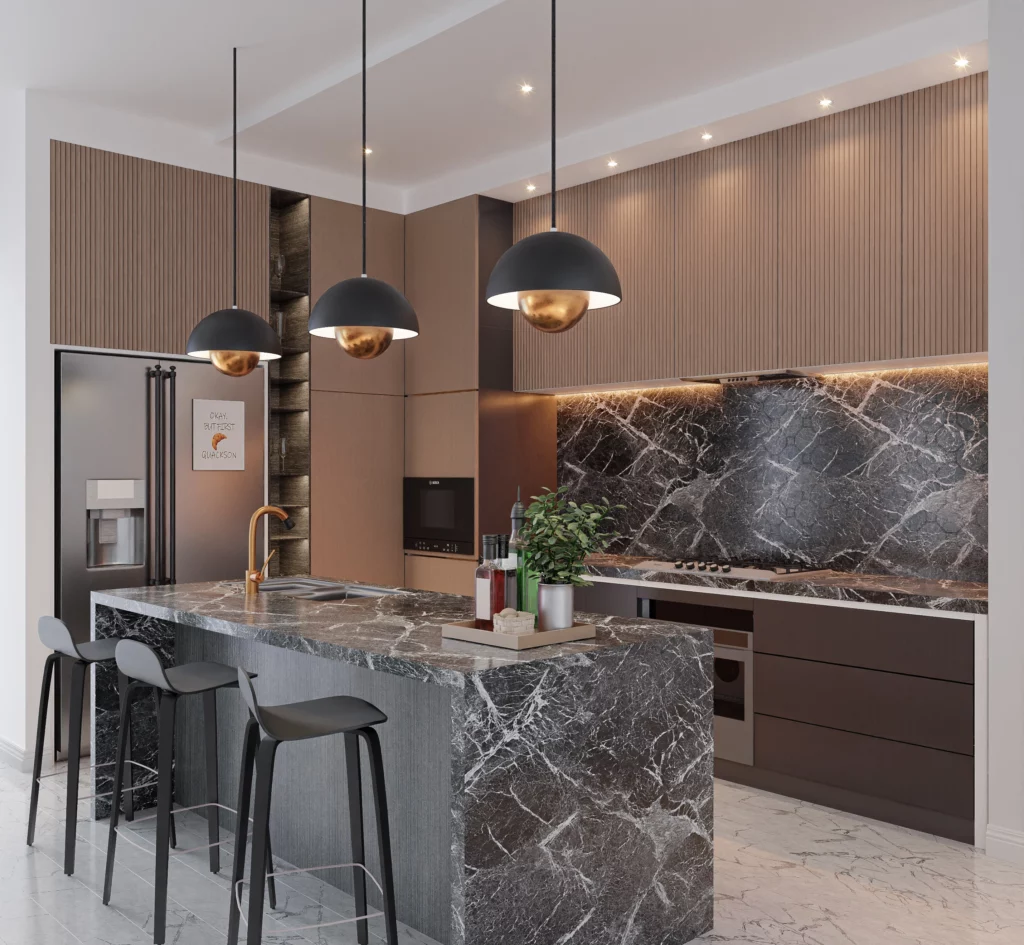
Bulkheads can significantly impact a kitchen’s appearance by:
Bulkheads help achieve a seamless, polished look by covering gaps between the cabinetry and ceiling. These gaps can often make a kitchen feel unfinished or disjointed.
A bulkhead can make a room feel more structured by adding visual depth and dimension to the ceiling.
One of the significant benefits of incorporating a bulkhead is the ability to install recessed lighting or LED strips. These lighting options, when placed within a bulkhead, can provide subtle, indirect illumination, enhancing the kitchen’s overall ambiance.
A bulkhead can become an ideal place to showcase decorative elements such as crown molding, wallpaper accents, or creative paint finishes.
A well-designed and thoughtfully incorporated bulkhead can boost a kitchen’s overall appeal, making it more attractive to potential buyers. The clean, finished look provided by a bulkhead adds sophistication and value to the space.
Kitchen bulkheads remain popular, especially in modern and minimalist designs where functionality meets aesthetics.
Floating bulkheads are a modern design choice where the bulkhead appears suspended, often with hidden LED lighting incorporated within them. This design creates a sleek, contemporary look and adds an element of drama to the kitchen.
Wood-paneled bulkheads add warmth and texture to the kitchen, offering a natural, rustic aesthetic. This style works well in both modern and traditional kitchens, creating an inviting atmosphere.
Bulkheads can be used creatively to house extra storage or decorative displays. This design solution maximizes space without compromising style and makes the bulkhead a functional and decorative element in the kitchen.
Instead of being a neutral feature, the bulkhead can become a statement piece in the kitchen. Using bold colors, patterned wallpaper, or vibrant finishes on the bulkhead makes it stand out and draws attention to the ceiling. This can be especially effective in smaller kitchens or spaces where you want to add a pop of personality and flair.
For a modern, industrial aesthetic, bulkheads can incorporate exposed elements like metal framing, pipes, or concrete finishes. This style focuses on raw, unfinished materials, creating an edgy and contemporary look. This trend works well in urban-inspired kitchens that embrace a minimalist yet functional design.
Bulkheads are far from out of style; in fact, they continue to evolve with current design trends.
Yes, but it depends on whether it houses essential utilities like plumbing or wiring. Consult a contractor before removing it.
Not necessarily. Well-designed bulkheads can enhance a kitchen’s look and increase its appeal. Poorly placed or outdated bulkheads may detract from the design.
Absolutely! Many homeowners integrate LED lights or pendant lighting into bulkheads for a stylish effect.
A bulkhead in a house is a structure, usually found in ceilings, that conceals mechanical elements like pipes, wiring, or ductwork. It is commonly used in kitchens, basements, and other areas to create a cleaner and more finished look.
In building terms, a bulkhead is a boxed-in section of a ceiling or wall designed to hide structural or mechanical components. It can also refer to barriers, partitions, or enclosures that serve functional or aesthetic purposes in a building.
A bulkhead is not the ceiling itself but an extension or lowered section of the ceiling used to conceal utilities. It helps create a seamless transition between different ceiling heights or integrates lighting and design elements.
The term "bulkhead" is sometimes used to describe a partition or barrier wall, particularly in ships or basements, where it is designed to provide support or separation. In homes, bulkheads are typically ceiling structures rather than walls.
A bulkhead is any enclosed structure that extends from the ceiling or walls to hide pipes, wiring, ductwork, or other utilities. It can also be a design feature that enhances the appearance of a space by adding depth or integrating lighting.
A bulkhead in a bedroom is often used to conceal air conditioning ducts, structural beams, or wiring. It can also be incorporated as a decorative element above wardrobes or headboards to create a visually appealing design.
The main purpose of a bulkhead is to hide mechanical elements like pipes, ducts, and wiring while maintaining a clean and polished look. It also helps define spaces, supports lighting features, and prevents dust buildup in hard-to-reach areas.
A bulkhead is more than just a structural feature; it enhances your kitchen’s aesthetics while serving practical functions. Whether you need to hide utilities, improve the design, or add lighting, bulkheads remain a valuable addition to modern homes.
Read also - how to create a dream modern kitchen, Eaves and Soffits