Constructing a new home in Sydney has its obstacles, especially regarding the type of land. Many suburbs are located on undulating terrain or uneven ground; construction of a double storey on this type of lot can be difficult and costly. Due to this reason we are seeing an increased popularity with split level Homes.
Rather than working against the slope of the land, a split level design works with it - creating stylish, functional and efficient spaces that maximize the site utilization.
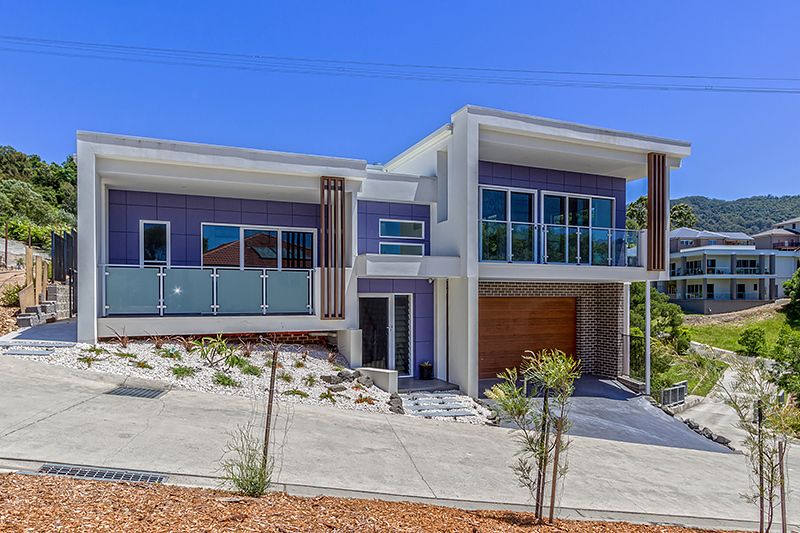
A split level house is constructed across staggered levels as opposed to the flat level floor plan. There are short sets of stairs linking the split levels creating designated spaces for bedrooms, living areas, garages etc.
For example:
The design can adapt to the slope of the land while providing unique spaces and modern street appeal.
1. Suited to Sloping Block of land
Sydney has many hillside or uneven land parcels. Flattening land for a traditional home can be costly in terms of excavation and disposing off excess soil and also the use of retaining walls. Split level homes follow the contours of the land, minimising these costs.
2. Views and Brightness
By locating living areas at higher levels, split level homes can receive more natural light and sometimes better views. This could mean views to the, bushland or literally, the coast, depending on the location.
3. Zoning
The plan makes an inherently private split between zones. Parents can use one zone for quiet and children can use another zone to play or study. Living and dining and general areas can also be separated without losing the connection of an open living plan.
4. Modern Street Appeal
Split level homes always have a unique character. Their staggered facade can be more visually stimulating compared to flat single or double storey designs; they have that modern, architect-designed appearance for the homeowner.
5. Making the Most of Available Space
On smaller lots or narrow blocks of land, split level designs make the most of the land available. Building,in levels, private and viable living can be achieved without the need for a large block of land.
As with any home, split level homes have benefits and drawbacks:
Cost – Building on uneven or sloped properties is a bit more difficult than building on flat land.
Access – More stairs may be difficult for some residents to navigate.
Interior Flow – The design must be planned so that levels connect but still maintain the integrity of the design.
Split level homes are often much more affordable than you’d expect:
Individuals should think about a split level design if:
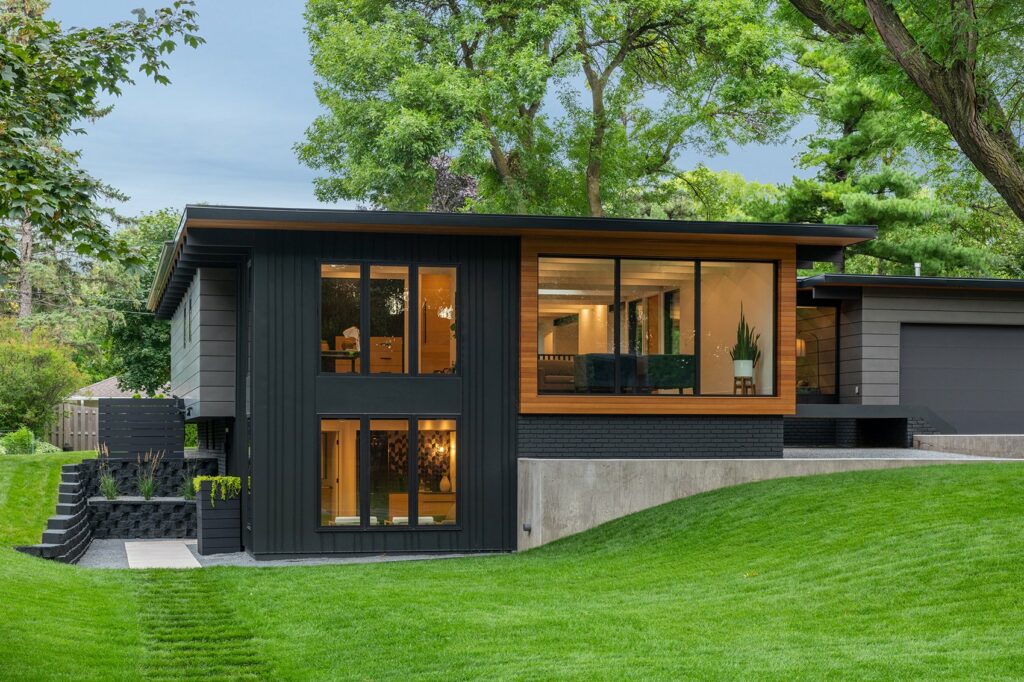
Split level homes are a solution to Sydney’s tricky landscape. They turn a difficult land block into opportunities, decrease excavation costs and provide livable, stylish, flexible spaces. A split level design is of worth consideration, whether you are a family, investor or simply looking for something different from the ordinary.
With an experienced builder, like Nexa Homes you can create a home that meets your land requirements while also providing long lasting value and appeal.
Whether you're searching in the country, the suburbs, or nearer to the cities, these homes are highly frequent and favoured . For a variety of reasons ,when you're not sure what sort of house you want to live in. You'll almost certainly run across at least one split level home design when looking at your possibilities.
When you walk in through front door, you'll be welcomed by a stairs leading up to the bedroom level. The other leading down to the basement. The basement is nearly often completed as well, allowing it to serve many functions. It will typically have at least one bedroom and a laundry room. Most split-level homeowners will also utilise the main space of their basement as a family room . Or principal area for entertainment.
Another simple way to think regarding split level home is that there is no one floor that covers the whole area of the house. Some may have huge main floors that incorporate the kitchen and dining room, but they ultimately give way to staircases that lead to the other two storeys. In a craftsman house and other traditional designs, the floor levels typically align with one another. In contrast, a split-level home features staggered floor levels that create a more dynamic layout.
Split level houses are available in a variety of styles. It is crucial to remember that a split level house does not always have three storeys. In fact, some Split level home designs might include as many as five separate levels. As a result, split level homes are ideal for a variety of real estate investment techniques. In any event, these are the two primary sorts of real estate investors that you are likely to encounter.
House divided on the side.
This is a popular architectural style for split-level houses. The numerous floors of the custom home design are only evident from the front aspect in this design.
Split house in the back
A rear split home, unlike a side split level house design, has just one floor visible from the front elevation. The additional two floors are only visible from the sides. In rural locations, this type of property is fairly frequent.
Split level homes are a smart choice for homeowners who want to make the most of uneven or sloped land without sacrificing space or functionality. Their layered layout naturally separates living areas, offering more privacy and better sound control between floors. This makes them ideal for growing families, multi-generational living, or even creating dedicated spaces like home offices or guest suites. With creative design, these homes can feel spacious, open, and full of character while still being highly practical.
A split level home appears to make the most of a sloping block and to be the most beneficial. Below are the advantages of split level homes that will allure you to build one.
One of the most significant advantages of split level home designs is that they make better use of available space. These dwellings overlap the floor space, allowing them to spread further inside a limited plot of land. The bottom floor of the residence is frequently utilised as a common and utility space . With rooms such as the living room, dining room, and kitchen located there. These rooms are significantly larger than their higher level equivalents due to their lower-level location. A split level home also enables you to dig into the ground and construct a genuine two-story dwelling. However, due to the higher expenditures, individuals choose to build split level homes.
A split level home will always provide you with the finest view . Regardless of where your piece of land is located. When it comes to upward split homes, the floor is lifted from the ground, allowing for a lovely scenic outlook. There are also split level home designs for sloping blocks with entry on the road level. The remainder of the house facing the hill view, providing a stunning backdrop for sunrises and sunsets.
A widespread fallacy is pricier, when in reality it may be quite the reverse. Of course, a split level home design will cost more than most single-story homes, but it will cost less than a standard two-story home. There are also several cost-saving advantages, notably in terms of excavations. These expenditures are comparatively very low when creating since you are dealing with the natural ecosystem rather than attempting to modify it. You will have more accessible resources to spend on other aspects of your new house if you save money in this area.
While there are numerous advantages to creating a split level house, there are several aesthetic advantages too. This is also true in terms of interior design, since split levels may make your house look more spacious and more elegant. Your home's split may also be used to divide or create distinct regions. Keeping bedrooms and living areas distinct is a popular choice, just as having one floor for adults and another for children. In this perspective, split level houses are excellent for increasing privacy and improving the environment.
Give Modernise home in new appearance without breaking the budget or searching a home builder. These three simple, low-cost upgrades can transform it from antiquated to dashing.
The appearance of your home's kitchen and bathrooms may reveal a lot about its age. Try this if you have dirty cabinetry, blatantly outdated colour schemes, or antiquated décor. Renew wood cabinetry by altering the finish and replacing outdated hardware with more contemporary fittings. You may simply sand and refinish the cabinets with a fresh coat of paint or wood stain as long as they still have strong "bones," meaning they're extremely durable with no warping or severe dents. Enhance the appearance of architectural home design by replacing the knobs, pulls, and hinges to bring them up to date. It will take some effort, but if you follow the simple procedures outlined, you will be able to modernise and alter your kitchen and bathroom cabinets without breaking the bank.
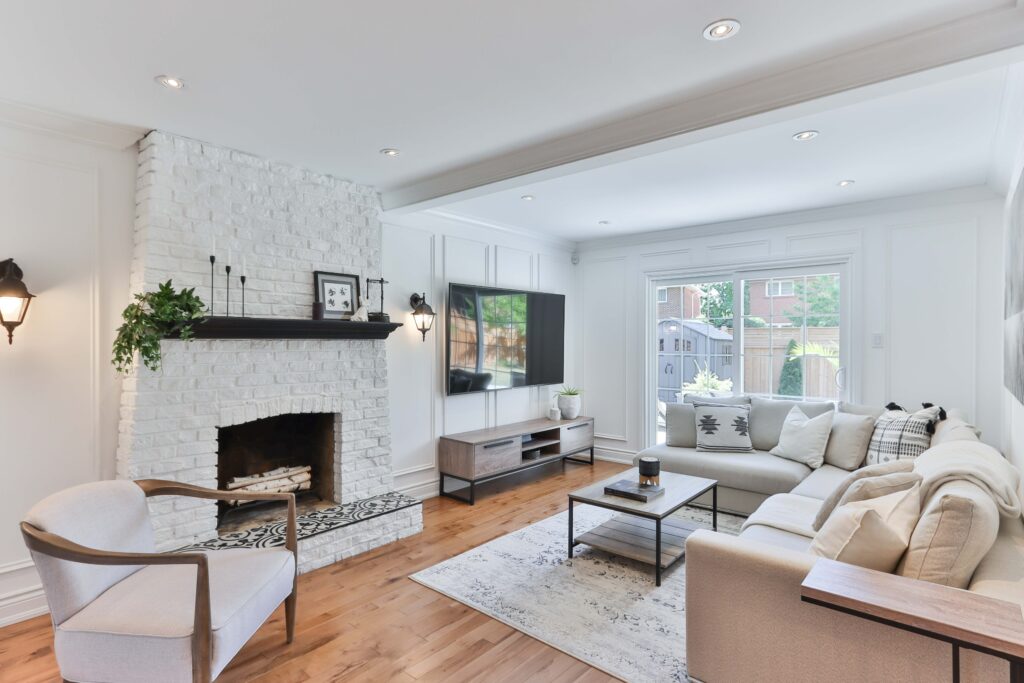
Nothing says "outdated" like a house with shining brass lighting fixtures. Find contemporary lights at discount to replace those outdated lighting in your space to refresh it. Consider replacing lights in high-traffic areas for the most impact. Pay special attention to the lighting in the doorway, dining table, kitchen, and bathroom vanities of your custom house design. But, before you run out and get the most gleaming metal finish you can find, do some homework. Rather than continuing with the classic ultra-reflective fixtures from the 1980s, today's fashions are all about satin finishes.
While looking for affordable and quick ways to renovate your dream house the top suggestion for advancement is paint. Paint colours may make a difference in whether you appreciate or dislike a room. The colour becomes much more interesting when we grasp how it impacts our perception of space. Colour may influence our sense of the size and form of a room. Paint is inexpensive, and a fresh coat can bring new vitality to a tired-looking space. Choose neutral tones, but be a bit bolder than white or beige. Consider trendy hues of neutral, such as a soft weathered grey or terracotta, when selecting your colours.
Window coverings are often overlooked but play a crucial role in the overall aesthetic of your home. Swap out old, heavy drapes or dusty blinds with clean-lined curtains or modern shades to instantly brighten a room. Consider natural materials like bamboo or linen for a light, airy vibe, or go for minimalist roller blinds for a sleek look. Updated window treatments also allow better control of natural light, enhancing both comfort and ambiance while keeping your spaces feeling fresh and inviting.
Sometimes, modernising your home is as simple as rearranging and refreshing what you already own. Replace tired rugs, outdated art, or bulky accessories with contemporary pieces that reflect today’s interior trends. Think clean lines, mixed textures, and natural materials like wood, metal, and stone. Adding a few statement items like a sculptural vase, abstract art, or modern mirrors can elevate any room. Don't forget plants—they bring life and a touch of serenity while adding a modern organic feel to your home.